
When you sell a house as-is during a divorce in Tennessee, you skip repairs, showings, and drawn-out negotiations — and both parties can walk away with cash in hand faster than a traditional sale. How smooth the process actually goes depends on how title is held, whether both spouses agree to sell, and which type of buyer you work with. In this post, I’ll walk you through exactly what to expect so you can make a clear-headed decision under real pressure.
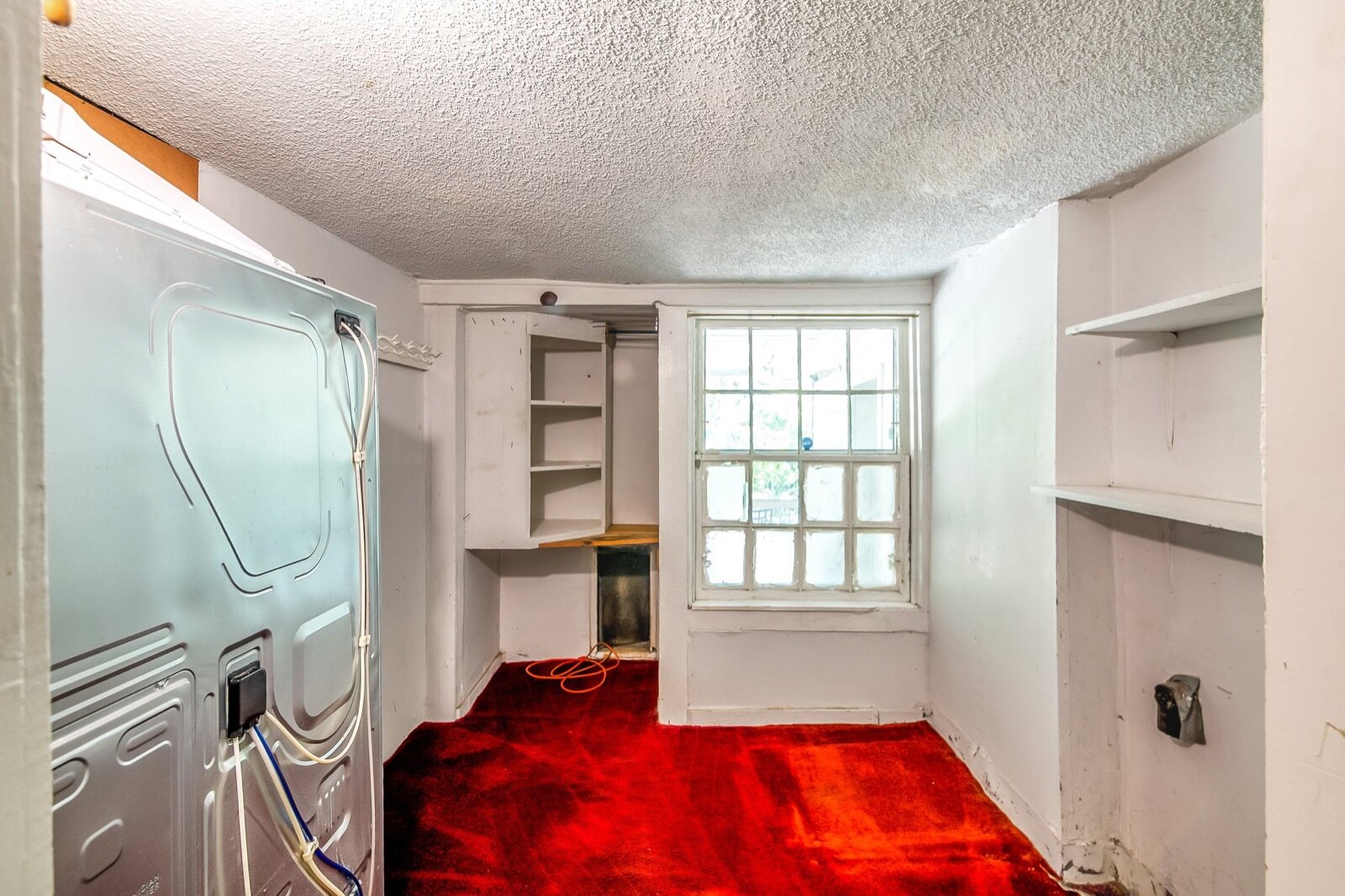
Sell My House Fast TN offers a more straightforward route when both sides want clarity and fewer moving parts. Instead of dealing with repairs, showings, and drawn-out negotiations, you can focus on reaching an agreement and moving forward.
In this guide, you’ll learn how Tennessee handles marital property, what your main paths are, and how to sell before or after a divorce. We’ll also break down costs, timelines, and ways to avoid common conflicts so you can make decisions with more confidence.
The Ground Rules That Decide What Happens to the Home
Want the fast track? You can get a fair cash offer today with me directly — no repairs, no agent fees, and you pick the closing date. Prefer to talk first? Call 615-436-8003.
Selling a house during a divorce in TN? You’ll need to navigate Tennessee’s property laws before you can even think about selling or accepting an offer. The court’s involvement and each spouse’s authority depend on how the home gets classified and how you acquired it.
How Tennessee Courts Treat Marital vs. Separate Property
Tennessee law draws a line between marital property and separate property. Marital property means assets you got during the marriage, so any home you both purchased after tying the knot usually falls in this category.
Separate property is what you owned before marriage or received as a gift or inheritance. But things can get messy. If one of you owned the house before marriage and both contributed to the mortgage from joint funds, a court might treat part of the equity as marital property.
Why Fair Does Not Always Mean a 50/50 Split
Tennessee uses equitable distribution, not community property. The court aims for a fair split, not an equal one. A judge looks at income, length of the marriage, each person’s contributions, and what each of you needs moving forward.
You might get more or less than half, depending on your unique situation.
When Court Approval Is Needed Before a Sale
After you file for divorce in Tennessee, automatic injunctions typically kick in. These injunctions prevent either spouse from selling, transferring, or encumbering the marital home without the other’s written consent or a court order.
If you ignore this, you could wind up with big legal headaches. Always check with your attorney before you start the selling process.

Your Three Main Paths Forward With the House
Once you understand how Tennessee law classifies your home, you can plan the sale. Each path comes with its own financial impact and level of cooperation.
Selling and Dividing the Proceeds
Most divorcing couples sell the home and split the proceeds. This approach gives both of you a clean financial break. You’ll each get your share of the equity, pay off the joint mortgage, and move on without shared financial baggage.
This route works best if neither of you wants to stay in the house or can afford it solo. The catch? You both need to agree on price, repairs, and how to handle the money.
One Spouse Buys Out the Other
A buyout lets one spouse keep the home by paying the other their share of the equity. The spouse who stays usually has to refinance the mortgage in their own name, which means qualifying based on their income and credit.
You’ll want a professional appraisal to nail down the home’s current market value. If you don’t agree on the number, arguments about the buyout amount can get heated.
Keeping the Home Temporarily Through Co-Ownership
Some couples decide to keep co-owning the house for a while. Maybe you want the kids to finish the school year or hope for a better market. Both of you share ongoing expenses—mortgage, taxes, maintenance.
But this keeps your credit and finances tied together longer. If one person stops paying their share, both of you take the hit.
How to Sell Before the Divorce Is Final
You can sell the home before finalizing your divorce in Tennessee, but you’ll need to follow certain legal steps. If you rush or skip the proper steps, you could delay your whole case or face penalties.
The Automatic Injunction That Can Pause a Sale
Tennessee courts issue automatic injunctions as soon as you file for divorce. These orders stop either spouse from making major financial moves without agreement. Selling the home definitely falls under these rules.
The injunction doesn’t make a pre-divorce sale impossible. It just means you need the right authorization first.
Filing a Motion to Sell in Tennessee
If you both agree to sell, your attorneys can document that consent and move ahead. If one spouse refuses, the other can file a motion with the court to get permission. The court looks at both sides and might order the sale if it serves everyone’s financial interests.
This process takes time. The sooner you tackle disagreements, the less it slows down your divorce.
What Both Spouses Need to Sign Off On
Even if both of you want to sell, you’ll both need to sign the agent agreement, accept the offer, and sign the closing documents. One person can’t complete the sale alone when it’s marital property. Make sure both spouses are available so closing doesn’t get held up.
Money Decisions That Can Change the Outcome
The sale price isn’t the number that matters most. What you each walk away with depends on real equity after costs, who pays for expenses, and how taxes hit the sale.
How to Estimate Real Equity After Mortgages and Closing Costs
Start with the home’s market value. Subtract the remaining mortgage. Then take off any estimated closing costs. In Tennessee, sellers usually pay five to eight percent of the sale price in agent commissions and closing fees.
If you sell traditionally, that percentage comes right out of your proceeds. A cash sale with no commissions and no fees can change things in a big way. The difference between a $280,000 sale with six percent commissions and a no-fee cash offer can surprise you once you crunch the numbers.
Who Pays for Repairs, Taxes, Insurance, and Upkeep
While the home sits on the market, it keeps costing money. Property taxes, insurance, utilities, and any repairs or maintenance keep adding up. Both spouses should agree—preferably in writing—on who covers these costs and how they’ll affect the final split.
If one spouse lives in the home during the sale, sometimes courts ask that person to pay a larger share of ongoing expenses.
Tax Issues to Review Before You Close
The IRS lets married couples filing jointly exclude up to $500,000 in capital gains from the sale of a primary home. If you’re already divorced, each of you may only qualify for the $250,000 individual exclusion. The timing of your sale—before or after the divorce—can really change your tax bill.
Talk to a tax professional before closing to see which exclusion applies to you.

Choosing the Right Sales Method for Your Situation
How you sell the house matters as much as the price you get. Your sale method affects the timeline, your net proceeds, and how much coordination you’ll need with your soon-to-be ex.
Selling With an Agent vs. Taking a Cash Offer
A traditional sale puts your home on the open market. The goal is to get the highest offer. This process usually takes weeks or months, and you’ll need to handle repairs, showings, staging, and a buyer who qualifies for financing.
Every step can become a battleground if you and your spouse aren’t seeing eye to eye.
A cash offer from a direct buyer like Sell My House Fast TN works on your schedule. There are no commissions, no fees, and no repairs. You could close in as little as seven days or pick a longer timeline that fits your divorce.
When an As-Is Sale Makes Sense
If your home needs repairs, neither of you may want to spend money or time managing contractors. An as-is sale means you sell the property exactly as it is, with no fixes. Traditional buyers often walk away from homes that need work, or they ask for price cuts that eat into your equity.
A cash buyer who takes homes in any condition solves that problem. You don’t have to argue about contractors, deadlines, or budgets with your ex.
How to Compare Net Proceeds Instead of Just Sale Price
Don’t just compare a traditional sale price to a cash offer. Run the full numbers. A $300,000 traditional sale with six percent commissions, $4,000 in repairs, and two months of carrying costs could net less than a $275,000 cash offer with no fees, no repairs, and a quick closing.
When you both need clarity, compare what each route actually puts in your pocket. That’s the number that matters for your next chapter.
Avoiding Delays, Conflict, and Costly Mistakes
Even when both spouses want to sell, the process can stall over the smallest things. Knowing where problems usually come up helps you plan ahead.
How to Keep the Sale Moving Without Conflict
Divorce can make even small decisions feel bigger than they are. Setting clear expectations early—like pricing strategy, timelines, and responsibilities—can prevent arguments from slowing everything down. Written agreements between both parties help keep things on track.
The American Bar Association notes that structured agreements during divorce reduce disputes and improve outcomes when dividing assets. Keeping communication focused on shared financial goals helps both sides move forward more smoothly.
Pricing Disputes and Communication Breakdowns
Disagreements over pricing are extremely common. One spouse may want to list high, hoping for a big payout. The other may want to price low and move on fast. If you can’t agree, the house just sits, costs keep piling up, and tempers flare.
A neutral third-party appraisal takes the emotion out of it. You both get to lean on the same objective number instead of arguing from personal bias.
Showings, Repairs, and Possession Problems
If one spouse still lives in the house, showings and maintenance can get complicated. That person might resist frequent showings or drag their feet on repairs. The other spouse has little control over what happens inside.
An as-is cash sale takes away most of these headaches. You don’t need to stage the home, do repeated showings, or fix anything before closing. One walkthrough, one offer, one closing.
Why an Experienced Neutral Professional Can Help
If you’re dealing with a divorce and need to sell your house, an experienced real estate professional can make things easier. When someone neutral steps in, they shift the focus to your shared financial goals, not old arguments.
They’ll talk to each spouse separately if that’s what the situation calls for. That way, things keep moving, and nobody feels left out or unheard.
Trying to sell your house fast in Nashville, Franklin, or anywhere around Middle Tennessee? It’s tough enough without extra stress. A team that truly understands the unique challenges of divorce can make a real difference.
Their support helps both of you reach the closing table with less tension. Honestly, having the right people on your side from the very start matters more than most realize.
A clearer path forward during a complicated time
Selling a home during divorce doesn’t have to turn into a long, drawn-out conflict. With the right approach, you can simplify decisions, reduce stress, and focus on what matters most—moving forward. Clear numbers and realistic expectations make a difficult process more manageable.
Sell My House Fast TN helps create a more predictable and straightforward experience when both sides need clarity. By removing many of the usual obstacles, it becomes easier to reach an agreement and close on a timeline that works for everyone.
If you’re navigating divorce and need to sell, take the time to review a cash offer carefully. Ask the right questions, stay focused on the outcome, and choose the path that helps you move on with less stress and more control.
Frequently Asked Questions
Can we sell the house before the divorce is final in Tennessee?
Yes, but both spouses must agree or get court approval. Automatic injunctions may prevent a sale without proper authorization. It’s important to consult your attorney before moving forward.
What happens if we can’t agree on selling the house?
If you can’t agree, the court may step in and decide. In many cases, the judge can order the sale of the property. This can add time and legal complexity to your divorce.
How are proceeds divided after the sale?
Proceeds are divided based on equitable distribution, not always 50/50. The court considers factors like income, contributions, and future needs. Each situation is different.
Do both spouses need to sign closing documents?
Yes, if the home is considered marital property. Both parties must agree and sign key documents. This ensures the sale is legally valid.
Is a cash sale better during a divorce?
It can be, especially if you want a faster and simpler process. A cash sale reduces the need for repairs, showings, and prolonged negotiations. This can help minimize conflict and delays.