
When you sell a house as-is in Tennessee, you skip repairs, skip inspections contingencies, and hand the property over in its current condition — which means a faster, more predictable close when you need relief fast. What actually happens depends on whether you sell to a cash buyer or sell on the open market, and I’ll walk you through both so you know exactly what to expect.
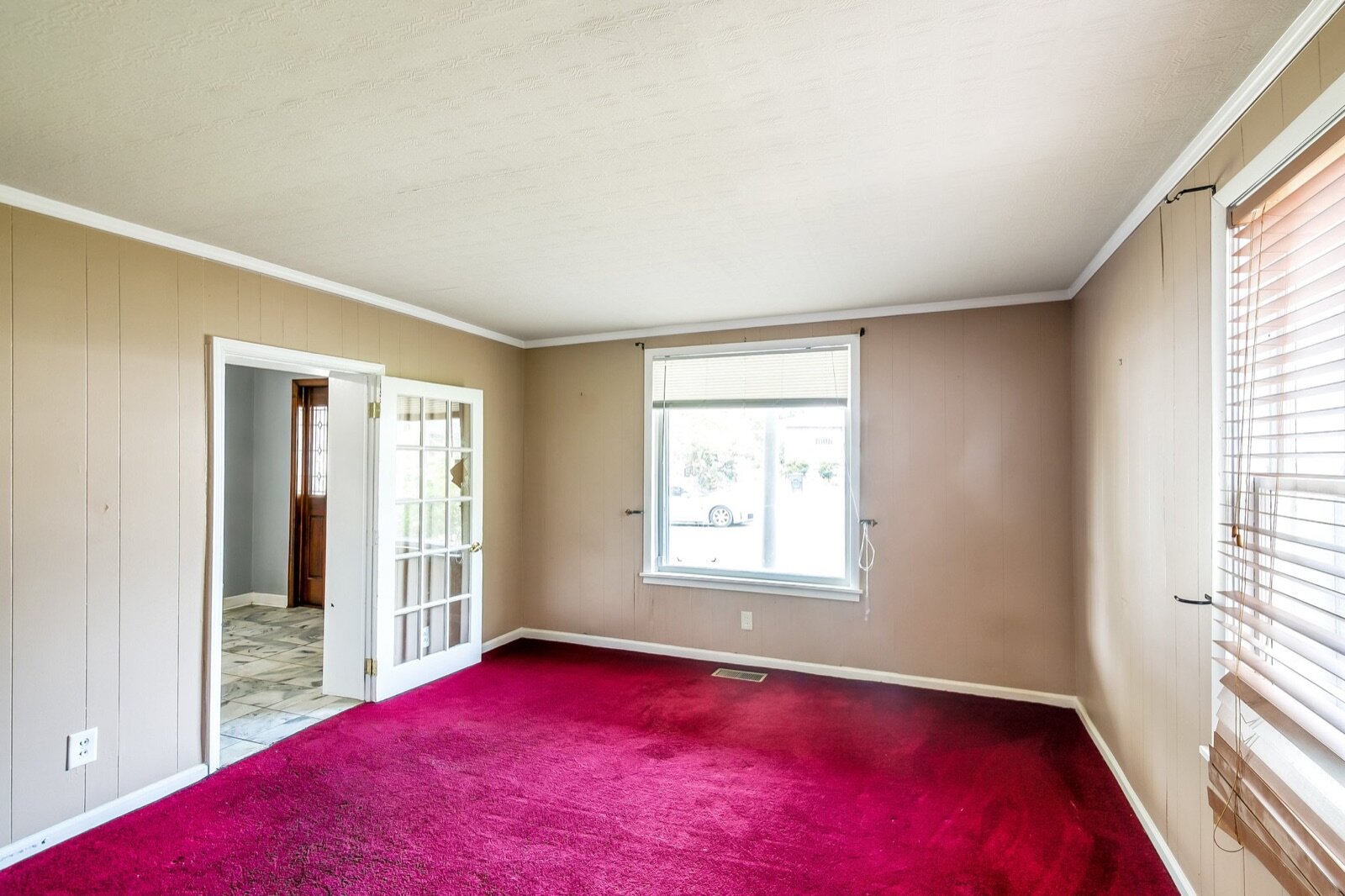
Sell My House Fast TN provides a more direct path when you don’t want to deal with repairs, showings, or drawn-out negotiations. Instead of fixing everything before selling, you can move forward with a clearer and more predictable process. That shift alone can take a lot off your plate.
In this guide, you’ll learn how selling as-is actually changes the process, what buyers will expect, and how pricing and timelines are affected. We’ll also cover risks to watch for and simple ways to protect yourself so you can move forward with confidence.
How the Sale Changes the Moment You Sell It As-Is
Want the fast track? You can get a fair cash offer today with me directly — no repairs, no agent fees, and you pick the closing date. Prefer to talk first? Call 615-436-8003.
Selling a property as-is sends a clear message: you won’t make repairs, and the buyer takes the home in its current state at closing. That one detail shifts how buyers react, what kind of offers show up, and how fast things move.
Understanding what this shift really means can help you protect yourself and set the right expectations before you accept any offer. It’s not always obvious how much that “as-is” tag changes the game.
What Sellers Are Really Signaling to Buyers
When you list as-is, you tell buyers the price already accounts for the home’s condition. No one’s expecting a freshly updated place here. You’re basically saying the negotiation table is closed for repair credits or post-inspection fix-it requests.
That doesn’t mean buyers vanish. Instead, the right crowd steps forward—mostly investors, cash buyers, and folks who love a good fixer-upper. Others probably back away.
Why As-Is Does Not Cancel Disclosure Duties
Selling as-is doesn’t let you skip your legal duty to disclose known problems. In most states, you still have to tell buyers about issues like a leaky roof or dodgy wiring.
Skipping disclosures can land you in serious legal trouble. It’s smart to work with an agent who understands your state’s disclosure rules, so you don’t accidentally make a costly mistake.
How an As-Is Sale Still Allows Buyer Inspections
Buyers can still ask for a home inspection, even if you’re selling as-is. You’re not hiding anything. What changes is your response: you don’t have to fix what the inspection uncovers.
The inspection gives buyers a clear look at what they’re getting. They can decide to move forward, try to negotiate, or walk away. That choice is theirs, not yours.

What Buyers, Inspectors, and Contracts Still Put in Motion
Even when you sell as-is, the process doesn’t just pause or get easier. Once a buyer makes an offer, several things start moving, and each one can impact whether the deal actually closes.
Knowing what’s in motion helps you stay prepared and avoid surprises.
Why a Home Inspection Still Matters
Most buyers will order an inspection, even for an as-is home. Inspectors check the roof, foundation, plumbing, electrical—basically everything.
You aren’t required to fix anything. But what the inspector finds can make or break the deal for the buyer.
How the Inspection Contingency Can Affect the Deal
Many buyers add an inspection contingency to their offer. This gives them about 7 to 14 days to review the inspection and decide what to do.
If the report reveals surprises, buyers can ask for a lower price, request a credit, or cancel the contract and get their earnest money back. This is a common reason that as-is deals slow down or fall through.
When Hidden Issues Trigger Renegotiation or a Walkaway
If the inspection uncovers hidden problems, buyers can feel blindsided. Major issues like structural damage or mold tend to trigger strong reactions.
Some buyers try to renegotiate. Others just walk away. Selling to a cash buyer who skips the usual inspection contingency can remove a lot of this risk.
How Price, Offers, and Buyer Demand Usually Shift
Pricing an as-is home accurately matters more than with a move-in-ready place. Buyers already expect a discount, so if your price doesn’t match the condition, your house might sit for a while.
Market conditions also matter. Sometimes, you’ll have to accept a bigger discount than you hoped.
Why the Buyer Pool Often Gets Smaller
Most traditional buyers want a move-in-ready home. When you list as-is, that group mostly disappears.
You’re left with buyers who are comfortable with a fixer-upper. That’s a smaller pool, which can mean fewer offers and a longer time on the market. You might have less negotiating power, too.
How a Competitive Market Can Improve Your Outcome
In a seller’s market, even as-is homes get more attention. Low inventory and high competition push some buyers to take on more risk just to get a home.
You may not get as many offers as a renovated home, but the offers you do get might be stronger than you expect. Sometimes, that’s enough to surprise you.
What Changes in a Seller’s Market Versus a Buyer’s Market
In a buyer’s market, buyers have more options. They’ll skip over a distressed property for something move-in ready.
But in a seller’s market, urgency changes things. As-is homes start to look more attractive by comparison. Knowing what kind of market you’re in before you price your home is a practical way to avoid leaving money on the table.
Who Usually Buys These Homes and What They Want
The buyers who go for as-is homes aren’t random. They usually see an opportunity, not just a finished product. Each type of buyer has its own strategy, and understanding what drives them helps you look at their offers more clearly.
Why Cash Buyers and Investors Show Up First
Cash buyers and real estate investors are usually the first to show interest in as-is homes. They don’t need bank approvals or worry about lenders refusing to finance a fixer-upper.
They can move fast because they have the money ready. Their offers are usually below market value, but they skip the financing headaches and long closing timelines. If you need to move quickly, that can be a worthwhile trade-off.
How House Flippers Calculate Risk and Profit
House flippers buy distressed homes, fix them up, and resell for a profit. They base their offer on the after-repair value, or ARV, which is what they expect the home to sell for once it’s renovated.
They subtract renovation costs, their profit, and holding costs from that number. What’s left is usually the most they’ll offer you. Flipper offers can feel low, but the math makes sense from their perspective.
Where iBuyers Like Opendoor May Fit
iBuyers are tech-based companies that use data to generate offers. Companies sometimes make competitive offers on homes in decent shape, but they don’t usually want truly distressed properties.
If your place needs a lot of work, a traditional iBuyer probably isn’t the right fit. Local cash buyers or investors who specialize in as-is homes are usually more flexible.

When Selling Without Repairs Makes the Most Sense
Not every homeowner who lists as-is does it by choice. Sometimes, repairs just aren’t possible, affordable, or worth the time. Certain situations make skipping repairs the most practical move. If any of these sound familiar, reaching out to a local cash buyer could be a smart first step.
Comparing Speed Versus Final Sale Price
Choosing to sell as-is often comes down to balancing speed and profit. A traditional sale might bring a higher price, but it also involves repairs, showings, and waiting. An as-is sale can close much faster, but usually at a lower price.
According to the Internal Revenue Service, the timing of sales and transaction structures can also affect your financial outcome, especially when considering holding costs and potential tax implications. Looking at both timing and net proceeds helps you make a more informed decision.
Moving Fast Because Time Matters More Than Top Dollar
Sometimes, speed is more important than price. Maybe you’re relocating for work, dealing with a health issue, or just need to move on quickly.
A cash offer on an as-is home can make that happen. Traditional sales with repairs and showings can drag on for months, but a cash buyer might close in as little as seven days. That speed matters when you’re in a hurry.
Selling Through Inheritance, Relocation, or Major Life Stress
Inherited a house you never wanted? Going through a divorce that makes co-owning impossible? Facing a job move on a tight schedule? These are the situations where selling as-is really makes sense.
You don’t have to juggle contractors or repairs while dealing with personal stress. Selling as-is gives you a straightforward way out of a complicated situation, without piling on more headaches.
Using a Fast Sale to Help Avoid Foreclosure
If you’re behind on mortgage payments and foreclosure is looming, time isn’t on your side. A traditional sale might not finish before the bank takes action.
Selling to a cash buyer who can close fast could let you pay off what you owe and protect your credit before things get worse. It’s not a guarantee, but a quick as-is sale is one of the most reliable routes when the clock’s ticking.
What Can Still Go Wrong and How to Protect Yourself
An as-is sale doesn’t erase all risks. It shifts some to the buyer, but you still have responsibilities. Certain mistakes can turn a simple deal into a legal or financial mess, so knowing what to watch for helps you stay safe.
Disclosure Mistakes That Create Legal and Financial Risk
One big mistake is thinking you don’t have to disclose anything. That’s wrong in most states. If you knew about a problem and didn’t say so, you could face legal trouble even after closing.
Write down what you know. Put your disclosures in writing. It’s worth talking to a real estate agent or attorney at this step, just to be sure.
Deals That Stall Because of Condition or Loan Problems
Traditional buyers using financing can run into problems with as-is homes. Lenders often won’t approve loans for homes in bad shape. If the roof is shot or there’s no working plumbing, an FHA or conventional lender might just say no.
That’s another reason cash buyers work better for as-is sales. No lender means no lender requirements, so the deal won’t stall over financing. If you do accept an offer from a buyer using a loan, make sure they’ve talked to their lender about the home’s condition before you get too far.
Simple Steps That Make an As-Is Sale Smoother
You don’t have to renovate just to get a clean closing. Sometimes, a few practical moves can really change the game.
- First, set the price to match the home’s real condition, not just what you wish it could be.
- Fill out all the required disclosure forms—be thorough and honest. It just saves headaches later.
- Think about getting a pre-sale inspection. That way, you’ll know exactly what buyers will see.
- Work with a real estate agent or attorney who knows how as-is deals work. That experience matters.
If speed is your main goal, gather a few cash offers. You’ll want to compare them before picking one. Selling a house as-is doesn’t have to turn into chaos. With the right info and a serious buyer, you can close when you want, skip repairs, and just move on.
A clearer way to move forward without added pressure
Selling a house as-is can feel like a big decision, but it often comes down to simplifying your situation. When repairs, time, or stress are factors, removing those barriers can make the entire process more manageable. Understanding how it works puts you back in control.
Sell My House Fast TN focuses on making that process straightforward so you’re not left guessing what comes next. With fewer steps and fewer unknowns, it becomes easier to move forward on your timeline without unnecessary complications.
If you’re considering selling as-is, take the time to review a cash offer and understand what each path offers. Ask the right questions, compare offers carefully, and choose the route that gives you the clarity and relief you’re looking for.
Frequently Asked Questions
Does selling a house as-is mean no inspections?
No, buyers can still request inspections. The difference is that you are not obligated to make repairs. Buyers use inspections to decide whether to move forward or renegotiate.
Will I get fewer offers selling as-is?
Usually, yes, because many traditional buyers prefer move-in-ready homes. However, investors and cash buyers are often very interested. The right price can still attract strong offers.
Can buyers still negotiate after an as-is sale?
Yes, especially after inspections. Buyers may ask for a lower price if issues come up. You are not required to agree, but it’s part of the process.
Is selling as-is faster than a traditional sale?
It can be, especially if you accept a cash offer. Without repairs and fewer contingencies, the process often moves more quickly. Timelines depend on the buyer and contract terms.
Do I still need to disclose problems with the house?
Yes, in most cases, you must disclose known issues. Selling as-is does not remove this responsibility. Proper disclosure helps protect you from legal issues after the sale.