
You can sell an inherited house in Tennessee without living in it, fixing it up, or waiting years to sort everything out. How fast you can move depends mostly on whether the estate has gone through probate and how the title is held. In this post, I walk you through the practical steps — from clearing the legal hurdles to closing quickly — so you can make a clean decision and move forward.
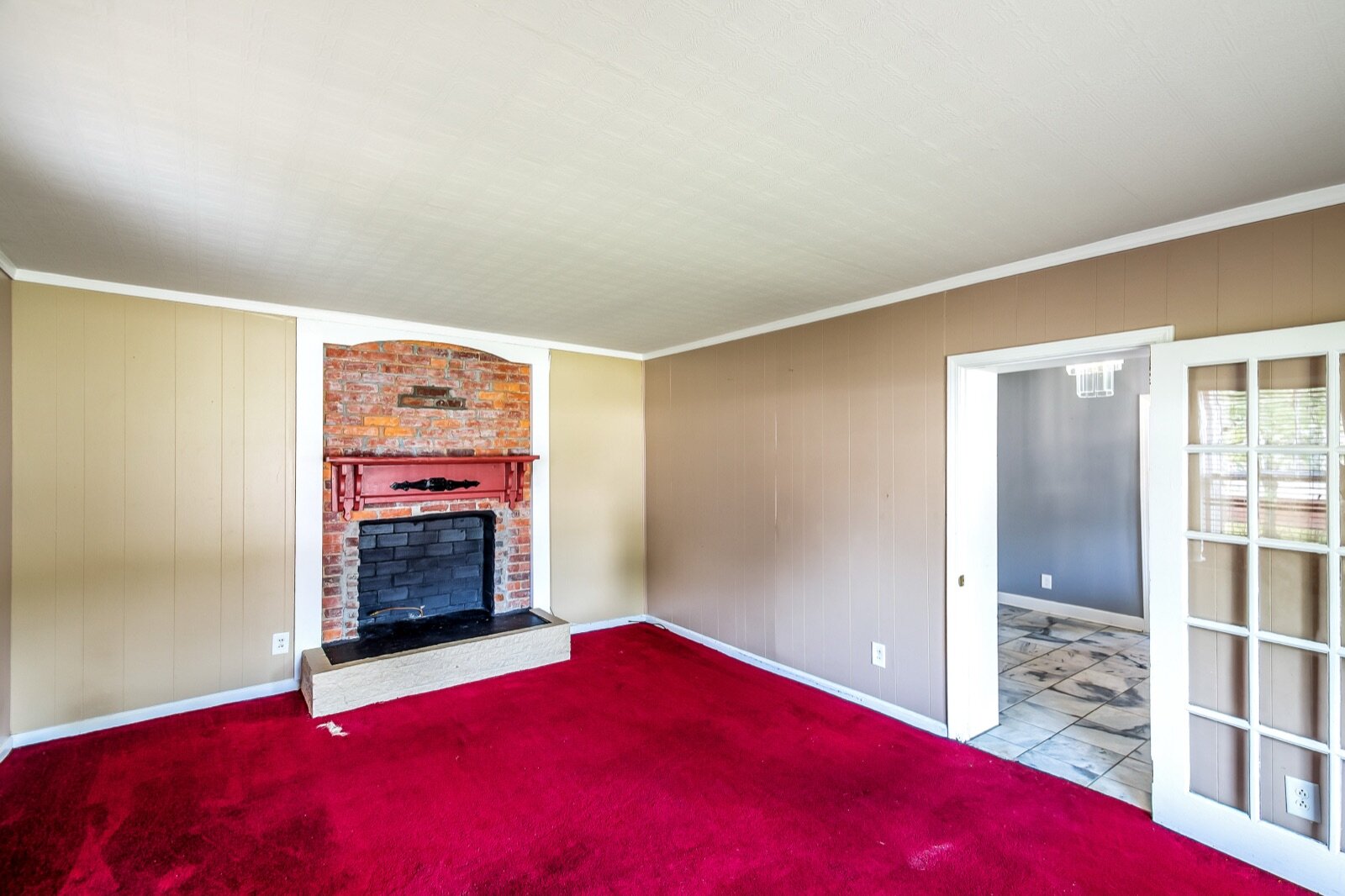
Sell My House Fast TN offers a more direct path when you want to avoid delays and move forward with clarity. Instead of dealing with repairs, showings, and uncertainty, you can choose a route that simplifies the sale.
In this guide, you’ll learn when you can legally sell, how probate affects your timeline, and what documents you’ll need. We’ll also cover taxes, ways to sell, and handling multiple heirs so you can make informed decisions.
Who Can Sell the Home and When You Can Start
Want the fast track? You can sell an inherited house fast in Tennessee with me directly — no repairs, no agent fees, and you pick the closing date. Prefer to talk first? Call 615-436-8003.
So, you’ve inherited a house in Tennessee, and you’re wondering, “Can I sell it?” Well, it depends on how the ownership changed after your loved one passed. You’ll need to figure out if the estate has to go through probate first or if you can skip that step.
How Ownership Passed After Death
When someone dies, their property doesn’t just land in your lap. It depends on how everything was titled.
If the home was in the deceased’s name only, the estate usually heads straight to the Tennessee probate court before anyone can sell. On the other hand, if the property sat in a living trust, it passes straight to the named beneficiary—no probate required.
If there was joint tenancy with right of survivorship, the surviving co-owner immediately gets full ownership. That’s probably the easiest scenario.
When an Executor or Administrator Has Authority
If probate is required, the court steps in and appoints someone to handle things. That’s either the executor (if there’s a will) or an administrator (if there isn’t). This person has the power to manage the sale for the estate, but they have to look out for all the beneficiaries.
Sometimes, the executor needs the court’s green light before finalizing a sale in Tennessee.
What Authority the Executor Really Has
The executor or administrator is responsible for managing the estate in the best interest of all beneficiaries. This includes handling the sale of property, paying debts, and distributing proceeds according to the will or state law. Their authority is defined by the probate court.
The American Bar Association explains that executors must act in a fiduciary role, meaning they are legally required to act in the best interests of the estate and its beneficiaries. Understanding this helps prevent conflicts and keeps the process moving forward.
Situations That Let You Move Forward Without Probate
You might be able to skip probate altogether if:
- The property was in a revocable living trust
- The title was joint tenancy with right of survivorship
- There’s a valid transfer-on-death deed recorded in Tennessee
If any of these apply, you can jump ahead and sell the property without waiting on the courts. That’s a relief, right?
Probate Timelines and Court Approval in Tennessee
Probate in Tennessee doesn’t run on a set schedule. Sometimes it wraps up in months, but it can drag on for over a year if things get complicated. Knowing where you stand in the process will help you plan the sale without getting blindsided.
When Probate Is Required for Real Estate
You’ll need probate if the property was in only the deceased’s name and there’s no trust or survivorship. The estate goes to the county probate court where the deceased lived. Until the court validates the will or appoints an administrator, nobody can legally sell the house.
How Long Tennessee Probate Usually Take
A simple probate case without any drama can finish in four to six months. If there are lots of heirs, debts, or a contested will, it might take a year or more. Creditors get a notice period to file claims, and that alone can stretch things out for months.
This waiting is a big reason why people feel stuck with inherited property.
Selling Before the Estate Is Fully Closed
Sometimes, the executor can list and accept an offer before probate wraps up. The sale money sits in limbo until the estate closes. The court might need to approve the sale. Working with a title company that knows Tennessee probate sales keeps things smoother and avoids last-minute headaches at closing.
Documents, Title Work, and Liens That Can Hold Up a Sale
Before you can close with a buyer, there’s a checklist of documents and title issues to handle. Missing paperwork or open claims on the title can stall or even kill an inherited home sale.
Paperwork Buyers and Title Companies Usually Need
Here’s what a title company usually wants before you can close on an inherited Tennessee house:
- Letters testamentary or letters of administration from the probate court
- A certified death certificate
- The probate court order that says you can sell (if needed)
- A copy of the will, if there is one
- The current deed shows how the home was titled
If you get these documents together early, you’ll save yourself a lot of stress later.
Clearing Mortgages, Taxes, and Other Claims
If there’s still a mortgage, the estate pays it off from the sale at closing. Property tax liens, unpaid HOA dues, and contractor liens also stick to the property.
You’ll need to clear these before you can transfer the title. A title search will show you what’s out there. Those claims don’t just disappear—they follow the house, not the person.
Fixing Title Problems Before Closing
Title problems can slow everything down. Maybe there’s a gap in the record, an old lien, or a past deed with a mistake. If you work with a title company early, you get a head start on fixing these hiccups before you’re under contract and racing the clock.
Taxes and Costs That Matter Before You Accept an Offer
Before you sign off on any offer, take a good look at the tax situation. The upside? Most people find the tax bill is smaller than they expected. A few special rules for inherited property actually work in your favor.
Why Tennessee Inheritance Tax Is Usually Not an Issue
Here’s some good news: Tennessee got rid of its state inheritance tax in 2016. There’s no state inheritance tax now, so you won’t owe Tennessee anything just for inheriting a house. That’s one less thing to stress about.
When Federal Estate Tax Applies
The federal estate tax only comes into play for huge estates. The exemption is over $13 million per person as of 2026. Unless the estate is massive, you don’t need to worry about this. Most inherited homes in Tennessee don’t come anywhere close to that number.
How Capital Gains Tax on Inherited Property Works
Here’s where inherited homes get a break. The IRS “steps up” your cost basis to the fair market value on the day of death.
If you sell soon after inheriting, you might not owe much—if any—capital gains tax. Your basis is close to the sale price. The longer you hold onto the house, the more gains can add up. It’s smart to talk with a tax pro before you accept an offer.
Choosing the Best Way to Sell Based on Condition and Timeline
Once the legal and tax stuff is sorted, you get to decide how to sell. The best way depends on the house’s condition, how fast you want to close, and how hands-on you want to be. Every route has its pros and cons.
Selling With an Agent for Market Exposure
If you sell with a real estate agent, your home hits the widest buyer pool. If the place is in good shape and the estate is settled, you can get a solid sale price. But there’s a catch: you’ll pay 5% to 6% in agent commissions, plus repair, staging, and cleaning costs.
The process can drag on for 60 to 90 days or more. Sometimes, that’s just not realistic.
Selling As-Is for Speed and Convenience
Selling “as-is” means you skip repairs before selling. Some agents will market a house this way, but buyers using mortgages often ask for repairs after inspection anyway. That can mean more delays or haggling, which isn’t great when you’re already dealing with so much.
When a Cash Buyer Makes More Sense
A cash offer can make life easier if the house needs work, the estate is still in probate, or there are several heirs who want to move on. Cash buyers take homes in any condition. You don’t have to worry about repairs, inspections, or lender approval.
There are no realtor commissions, and you keep all your proceeds. You also pick the closing date, whether you need a week or two months.
If you’re in Middle Tennessee, Nashville, Knoxville, or nearby, getting a no-obligation cash offer lets you see real numbers without any pressure.
Working Through Multiple Heirs and Offer Decisions
If more than one person inherits the house, selling gets trickier. Everyone has a say, and it’s rare that everyone agrees on timing, price, or what to do. Sorting this out early keeps things from getting messy later.
Getting Everyone Aligned on Price and Terms
Before you list or accept any offer, all heirs should agree—preferably in writing—on the lowest price they’ll take and the basic terms. Decide how to split the money and who gets to sign for the group. If there’s an executor, they usually have the authority, but keeping everyone in the loop avoids last-minute fights.
A simple written agreement, checked by an attorney, can save you major headaches.
Handling Disagreements Over the Property
Sometimes, heirs just can’t agree. One might want to sell right away, while another wants to keep the place or even move in. If things get really bad, a court can force a sale through something called a partition action. That’s slow, expensive, and not fun for anyone. Talking things out early—or bringing in a mediator—usually works better.
Selling an inherited house in Tennessee isn’t always straightforward. But if you take it one step at a time, you can avoid most of the stress. Get the paperwork in order, talk with the other heirs, and don’t be afraid to ask for help when you need it. Whether you go with an agent, sell as-is, or take a cash offer, you’ll get through it. And honestly, sometimes just getting started is the hardest part.
Why Comparing Multiple Cash Offers Can Reduce Risk
When you go with a cash buyer, it helps to gather more than one offer. You start to see what buyers in today’s market actually think your property is worth.
Getting multiple cash offers gives you some leverage. You’re not stuck with the first number that comes in, and it’s easier to spot a fair price.
There’s really no pressure to accept any offer you receive. Taking the time to review a cash offer doesn’t cost you anything, and it just makes sense to protect yourself and anyone else involved.
If heirs in Tennessee want to move forward, a fair market value cash offer—without fees or commissions—can sometimes put more money in their pocket. Once you factor in repairs, agent costs, and holding expenses during a long stretch on the market, the numbers can swing in your favor.
Move forward with clarity and fewer delays
Selling an inherited house in Tennessee can feel complicated, but breaking it down into clear steps makes it manageable. Once you understand probate, paperwork, and how the sale works, the process becomes much easier to navigate.
Sell My House Fast TN provides a straightforward route when you want to simplify the process and move forward faster. With fewer steps and no need for repairs or long waits on the market, it becomes easier to close on your timeline. That kind of flexibility can make a difficult situation more manageable.
If you’re ready to move forward, take the time to review a cash offer and gather the right information. Ask questions, stay organized, and choose the path that gives you the most clarity and control.
Frequently Asked Questions
Can I sell an inherited house before probate is finished?
In some cases, yes. The executor may be able to list and accept an offer before probate closes, but final approval may be required. The proceeds are typically held until the estate is settled.
Do all heirs have to agree to sell the house?
Usually, yes, especially if multiple heirs are involved. An agreement on price and terms helps avoid delays or disputes. In some cases, courts may intervene if heirs cannot agree.
Are there taxes on selling an inherited house in Tennessee?
Tennessee does not have a state inheritance tax. However, federal taxes may apply depending on the situation. The stepped-up basis often reduces capital gains taxes significantly.
What happens if there are liens on the property?
Liens must be paid off before the property can be sold. These are usually cleared during closing using the sale proceeds. A title company will identify any outstanding issues.
Is selling to a cash buyer a good idea?
It can be, especially if the home needs repairs or you want a faster sale. Cash buyers simplify the process and reduce delays. This route is often useful when dealing with probate or multiple heirs.