
Cash home buyers work by making you a direct offer on your house — no showings, no agent commissions, no waiting on a buyer’s financing to clear. Most of us can close in as little as a week or two, and we buy the property as-is, so you skip repairs entirely. In this post, I’ll walk you through exactly how the process works, what to watch for, and how to decide whether a cash sale makes sense for your situation.
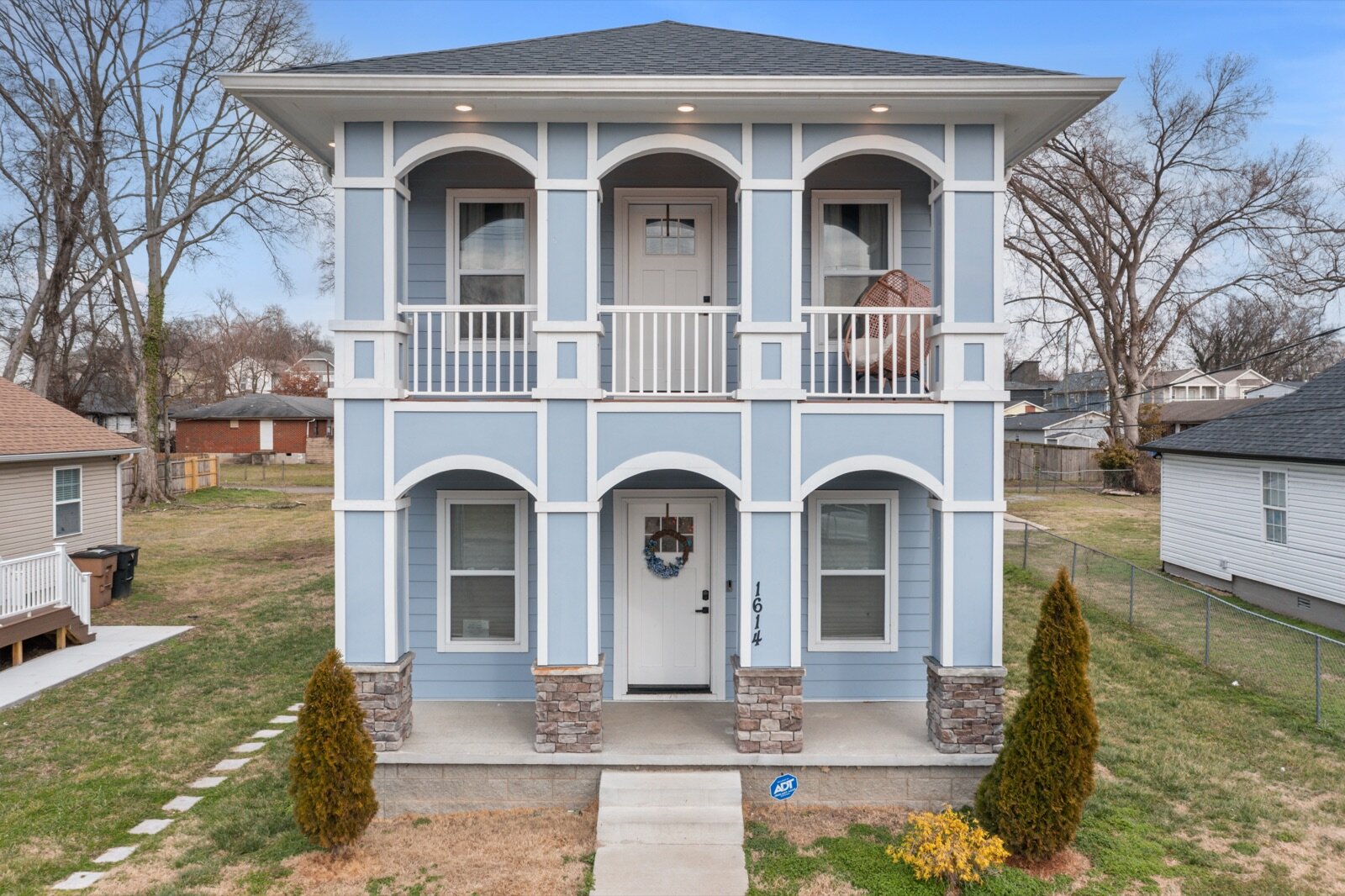
Sell My House Fast TN offers a direct route when speed and clarity matter most. Instead of preparing your home for the market and waiting for buyers, you can move forward with a straightforward process. That simplicity can make a big difference when you need to act fast.
In this guide, you’ll learn how cash home buyers operate, what the process looks like from start to finish, and how offers are calculated. We’ll also cover what to watch for so you can make a confident decision.
When a Fast Cash Sale Makes Sense
Want the fast track? You can get a fair cash offer today with me directly — no repairs, no agent fees, and you pick the closing date. Prefer to talk first? Call 615-436-8003.
Understanding how cash home buyers work starts with figuring out if a cash sale really fits your needs. Speed and simplicity matter most here, but honestly, it’s not right for everyone.
Sometimes, life throws stuff at you that makes waiting 60 or 90 days for a regular sale impossible. If you’re facing foreclosure, a sudden move, a divorce, or a big financial hit, getting money fast might be more important than squeezing out every last dollar.
Inheriting a place you don’t want, dealing with a nightmare tenant, or owning a house that needs repairs you can’t afford—these are all reasons people skip the open market. The stress and cost of waiting, both financially and emotionally, can outweigh holding out for a higher price.

Why Homeowners Choose to Sell As-Is
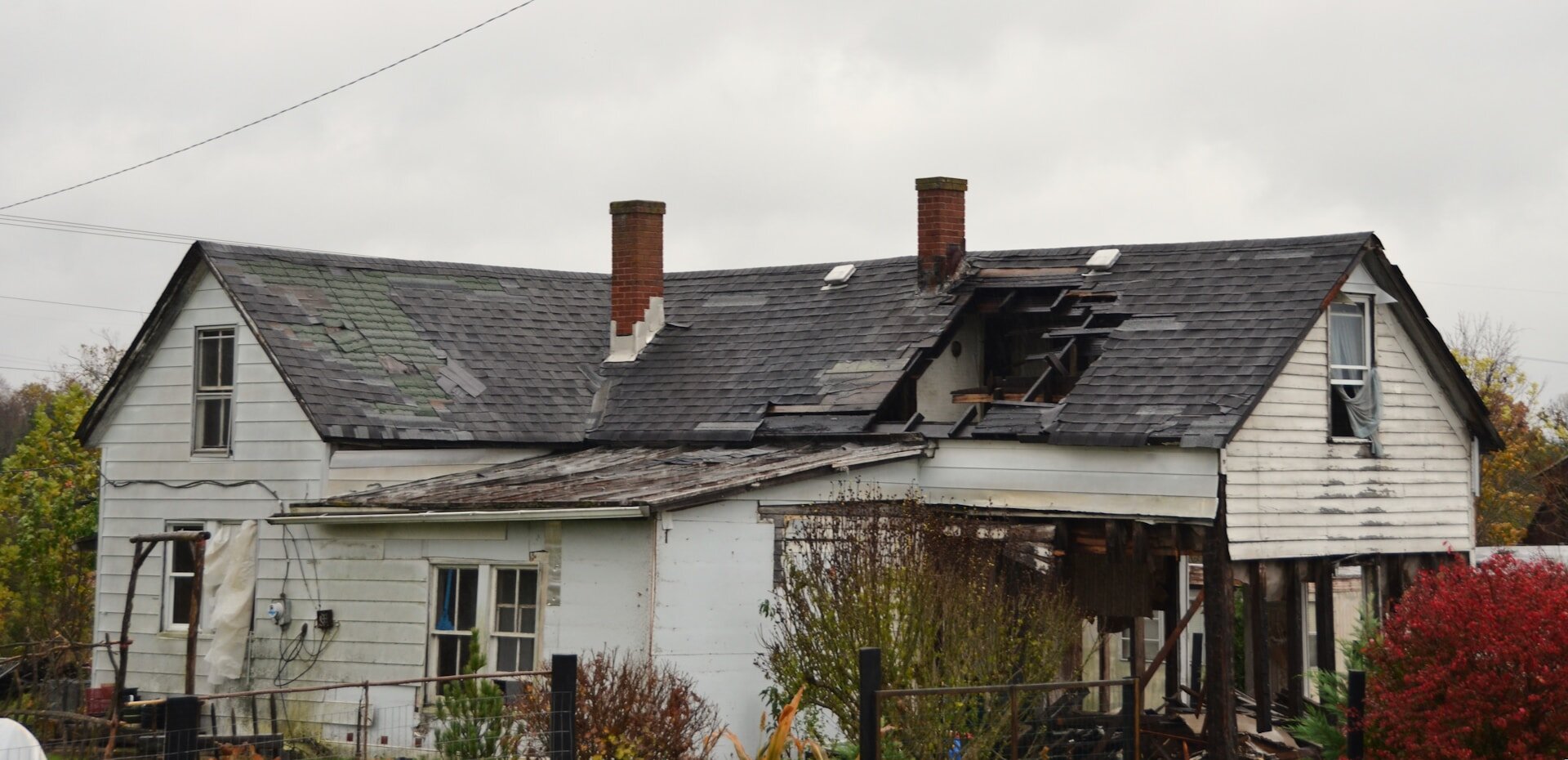
Selling “as-is” just means you hand the place over in whatever shape it’s in. No repairs. No deep cleaning. No fancy staging. For people with a house that needs a new roof, has ancient wiring, or has big structural issues, this takes a huge weight off.
You skip the hassle of hiring contractors, juggling schedules, and spending cash you might not have. The biggest draw? Simplicity. One offer, one closing, no back-and-forth about repairs after an inspection.
If your home’s in solid shape and you’re not in a rush, selling with an agent might get you more money. Going the traditional route reaches more buyers, and sometimes you get bidding wars. A cash sale trades some of that upside for speed and certainty.
The Buyers You May Be Dealing With
Not all cash buyers work the same way. The type of buyer you deal with changes everything—from how they make offers, how fast they close, and even what the process feels like.
Local investors are usually small business owners or individuals who know the area well. They tend to move quickly and focus on places like Middle Tennessee, Nashville, Franklin, and nearby spots. House flippers buy homes, fix them up, and sell for profit.
They need room in their offer for repairs and carrying costs, so they move fast but keep a close eye on numbers. Buy-and-hold investors want to rent the place out long-term. They might be more flexible on price since they’re not rushing to sell.
Then you’ve got iBuyers—big tech companies using algorithms to spit out offers online. They’re fast but can feel a bit impersonal. “We buy houses” companies are more hands-on and local, but their fees and pricing can be all over the map.
Some buyers are just individuals, not companies. They might have less experience and fewer resources, which sometimes leads to slower timelines or deals falling apart. Always ask for proof of funds up front, especially with individuals.
From First Contact to Closing Day
Selling for cash is way simpler than a traditional sale, but you still go through a few steps. Each one moves faster and with fewer headaches than selling on the open market.
You start by reaching out—maybe filling out a form online or making a call. The buyer asks about your property’s condition, when you want to close, and why you’re selling.
This first chat helps the buyer figure out what they’re dealing with. It also lets you share any time crunches so they can tailor the offer to your needs.
Next, the buyer checks out your place. Sometimes they visit in person; other times, they look at photos or public records. A walk-through lets them see repairs needed and get a real sense of value.
Some buyers do this virtually, while others insist on seeing the place. Either way, this step decides what kind of cash offer you’ll get.
Once they review things, you usually get a cash offer within 24 hours. The offer will reflect the property’s as-is shape, local comps, and what repairs or holding costs the buyer expects.
You don’t have to take the first offer. Ask how they came up with that number. Some buyers will negotiate, but others won’t budge. Knowing which type you’re dealing with helps you decide if you want to push back or just move forward.
If you agree on a price, you sign a purchase agreement. This spells out the price, closing date, and any conditions. An escrow account gets opened through a title company to hold the funds until closing.
At this stage, the buyer usually puts down earnest money. That deposit shows they’re serious about closing the deal.
The title company runs a title search to make sure you really own the place, and there aren’t any liens or claims. This step protects everyone. Once the title’s clear, you sign the final paperwork and get your money—usually by wire or check.
The whole process, from first contact to cash in your hand, can wrap up in as little as a week.
How Cash Offers Are Priced
Cash offers follow a formula. Buyers look at market value, repair costs, and their own profit margin. The offer’s almost always below full retail, but so are your net proceeds after fees and repairs if you sell the traditional way.
Buyers start by checking out recent sales of similar homes nearby. These “comps” set the baseline for what your house could sell for after repairs.
From there, the buyer subtracts repair costs, a profit margin, and a cushion for surprises. If your place needs a new roof or updated plumbing, the deduction will be bigger than for a house in decent shape.
The buyer takes on risk by buying a house they haven’t fully inspected, and they price that risk into the offer.
Investors also factor in holding costs. Every month that they own the place before reselling, they pay property taxes, insurance, utilities, and maybe loan interest. These costs push the offer down a bit, so investors want to close and resell quickly.
When you sell traditionally, you pay 5 to 6 percent in agent commissions, plus closing costs, repairs, and maybe staging. A cash sale skips those costs. The gap between a cash offer and a retail price is often smaller than it looks once you subtract all the fees, repairs, and holding costs.
The Documents and Terms That Protect You
Selling for cash doesn’t mean skipping the paperwork. Certain documents and terms protect you during the deal.
Before you commit, ask for a proof of funds letter. This is a document from the buyer’s bank or lender showing they have the money to close. Legitimate buyers provide this without hesitation.
Earnest money is a deposit the buyer puts down after you sign the contract. It shows good faith and protects you if they back out for no reason. The amount varies but is usually a few hundred to a few thousand dollars held in escrow.
One big advantage of a cash deal is no financing contingency. In a traditional sale, the deal can fall apart if the buyer’s loan is denied. Cash buyers don’t need bank approval, which removes that risk.
Still, read the contract carefully. Look for inspection clauses, timeline details, and terms that could let the buyer lower the offer after signing.
Even in a cash sale, there are closing costs. Who pays depends on your negotiation. Many cash buyers offer to cover closing costs to sweeten the deal. The title company provides a settlement statement that lists every charge so you can see where your money goes.
How to Spot Legitimate Buyers and Avoid Bad Deals
Most cash buyers are honest, but you need to do your homework. A few simple steps before you sign anything can save you from a bad experience.
Legitimate buyers are open about how they price their offers. They’ll explain the numbers and won’t pressure you. They provide proof of funds, use a neutral title company, and put everything in writing.
Look for buyers with real reviews, a physical address, and a track record in your area. Local buyers should be able to point to recent deals in neighborhoods you know.
A trustworthy buyer never pressures you to sign right away. If someone pushes you to skip the title company, asks you to sign things you haven’t read, or won’t show proof of funds, take a step back.
Super low offers with no explanation are a red flag, too. A good buyer tells you how they got to their number and welcomes your questions.
Before you accept any cash offer, ask these:
- Can you show a proof of funds letter today?
- Which title company will handle closing?
- What happens if you back out after signing?
- Are there any hidden fees or deductions not in the offer?
- How many homes have you bought in this area?
Taking these steps doesn’t guarantee a perfect deal, but it puts you in control. If something feels off, trust your gut and walk away. The right buyer will respect your questions and your timeline.
Selling your home for cash is all about speed and simplicity, but you shouldn’t have to sacrifice peace of mind. With a little homework and the right questions, you can get a fair deal and move on with confidence.
Why Documentation Protects You Throughout the Deal
Clear documentation helps prevent misunderstandings and protects your interests. Contracts, proof of funds, and closing statements ensure that every part of the agreement is transparent. Skipping these steps can lead to disputes or delays.
The U.S. Department of Housing and Urban Development emphasizes the importance of written agreements and verified funds in real estate transactions. Taking time to review documents carefully can help you avoid costly mistakes.
Why a Neutral Title Company Matters
A title company steps in as a neutral third party during a transaction. They handle the earnest money, run the title search, and get all the closing documents ready. You’ll also see them distribute funds when it’s time to close.
If a buyer pushes hard for their own title company and won’t explain why, that’s a red flag. Choosing a reputable, independent title company protects everyone involved. It helps make sure the deal stays professional and smooth from start to finish.
A faster path with fewer unknowns
Selling your home doesn’t have to be complicated when time and circumstances make things difficult. A cash sale offers a more direct route, removing many of the delays and uncertainties that come with traditional sales.
Sell My House Fast TN focuses on keeping things simple, clear, and aligned with your timeline. With fewer steps and no need for repairs or showings, it becomes easier to move forward without added stress. That kind of predictability can make all the difference.
If you’re considering a cash sale, take the time to review a cash offer and ask the right questions. Compare offers, understand the terms, and choose the path that gives you the confidence to move on.
Frequently Asked Questions
How quickly can a cash home buyer close?
Many cash buyers can close in as little as 7 to 14 days. The exact timeline depends on title work and your preferred closing date. Some buyers also offer flexible scheduling if you need more time.
Do I need to make repairs before selling to a cash buyer?
No, most cash buyers purchase homes as-is. You don’t need to fix anything or prepare the property. The condition is factored into the offer.
Are there fees when selling to a cash buyer?
Some buyers cover closing costs, while others may split them with you. It’s important to review the agreement carefully. All fees should be clearly outlined before you sign.
Can I negotiate a cash offer?
Yes, in many cases you can negotiate. Some buyers are flexible, while others use fixed pricing models. It’s always worth asking how the offer was calculated.
How do I know if a cash buyer is legitimate?
Ask for proof of funds and make sure a title company handles the closing. Check reviews and confirm all terms are in writing. A trustworthy buyer will be transparent and not pressure you.